
What to Expect During a Professional Masonry Installation
People seeking what to expect during a professional masonry installation can rely on local contractors to handle the work efficiently and ensure a durable, high-quality result.
If you’re considering a professional masonry installation, understanding what to expect can help ensure the process goes smoothly. Property owners in the area often explore this topic to better prepare for projects like retaining walls, patios, or decorative stonework. Knowing the typical steps involved-from initial planning and site preparation to the final finishing touches-can help set realistic expectations and highlight the importance of working with experienced local contractors who specialize in masonry services. Whether you’re upgrading your outdoor space or repairing existing structures, being informed about the process makes it easier to make confident decisions.
As you read further, you’ll discover how local service providers approach masonry installations to deliver durable and visually appealing results. These professionals handle everything from assessing the site and selecting appropriate materials to executing precise craftsmanship. Understanding what happens during a professional masonry installation can also help property owners recognize the value of skilled workmanship and proper project management. Keep exploring to learn how local pros can support your project, ensuring it meets your needs and enhances your property’s appearance.
- Brick and Block Walls - homeowners may need these walls built or repaired, and local contractors focus on proper alignment and durable mortar application.
- Fireplaces and Chimneys - clients looking to install or restore fireplaces can expect careful material selection and precise masonry techniques from service providers.
- Patios and Outdoor Surfaces - those planning outdoor living spaces will find local pros skilled in creating level, long-lasting masonry surfaces.
- Retaining Walls - property owners requiring erosion control or landscape support can rely on local contractors to design and construct stable masonry structures.
- Stone Veneer and Facades - individuals seeking aesthetic upgrades may work with pros experienced in applying natural or manufactured stone for visual appeal.

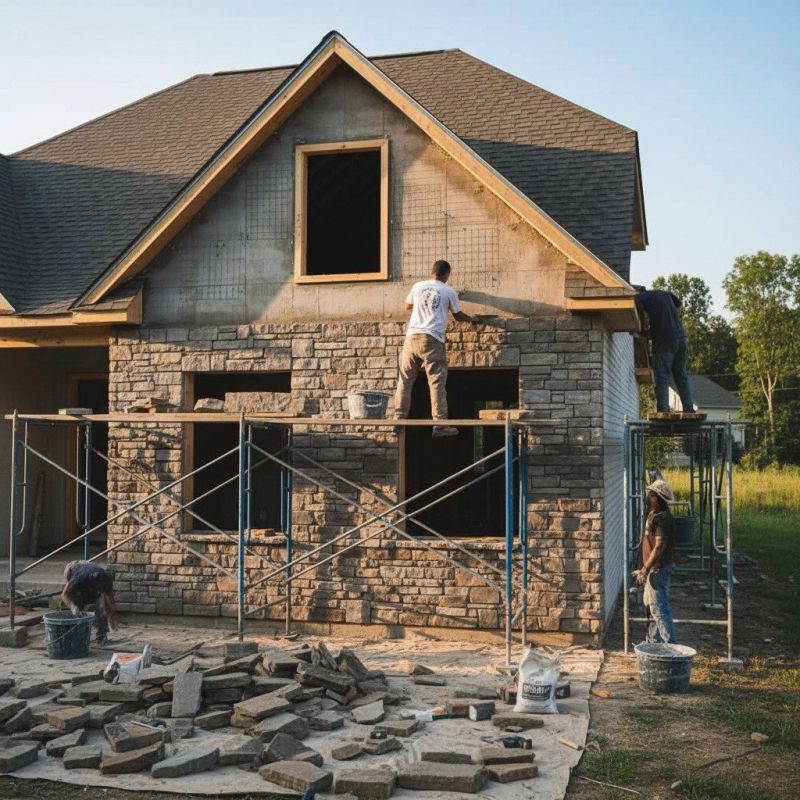
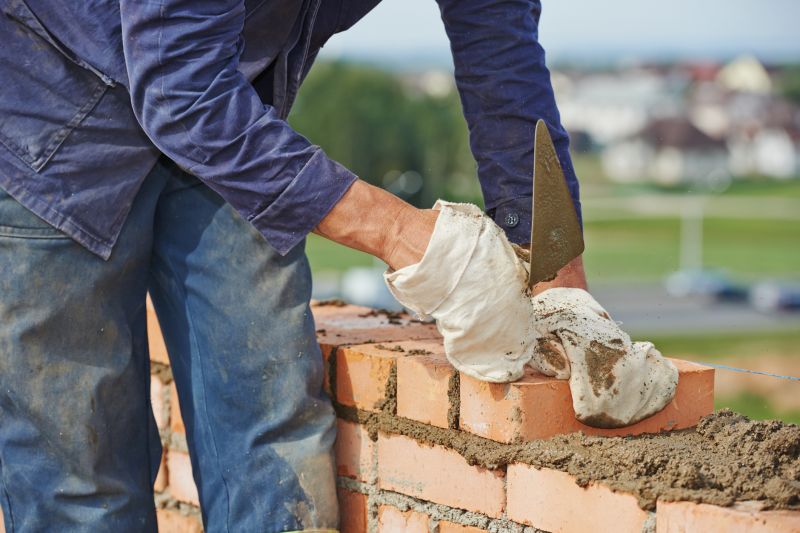
When searching for information about what to expect during a professional masonry installation, homeowners often want a clear understanding of how the process unfolds and what factors are involved. Typically, this topic relates to projects such as building or repairing features like patios, walkways, retaining walls, or decorative facades. People are usually interested in understanding the steps involved, the types of materials used, and the overall timeline, so they can plan accordingly. Knowing what to expect helps homeowners feel more confident about the work being done and ensures they are prepared for the different phases of the project.
Masonry installations often address specific problems or plans that homeowners encounter around their properties. These can include fixing structural issues with existing walls, creating new outdoor living spaces, or enhancing curb appeal with decorative stonework. Many projects involve selecting durable materials like brick, stone, or concrete blocks that withstand weather and time. Homeowners may also be considering plans to improve drainage, reinforce foundations, or add aesthetic features that increase property value. Understanding the scope of these projects helps homeowners communicate their goals effectively and ensures that the masonry work aligns with their overall property improvements.
The types of properties where professional masonry installation is common tend to vary widely. Residential homes are the most frequent, with many homeowners seeking to upgrade or expand their outdoor spaces or repair aging structures. Commercial properties, such as storefronts or office complexes, may also require masonry work for facades or boundary walls. Additionally, multi-family housing developments often incorporate masonry features for durability and visual appeal. Regardless of property size or style, local contractors bring the expertise needed to handle projects ranging from small repairs to large-scale installations, ensuring the work is performed efficiently and to standard.
During a professional masonry installation, homeowners can generally expect a series of well-defined stages. The process often begins with a consultation and site assessment, where the contractor evaluates the existing conditions and discusses project goals. This is followed by preparation work, including site clearing and foundation setup if necessary. The actual masonry work involves carefully laying bricks, stones, or blocks, with attention to alignment, mortar application, and finishing details. Once the installation is complete, there may be a clean-up phase to remove debris and ensure the area is ready for use. Throughout the process, local service providers work to deliver a durable, visually appealing result that meets the homeowner’s expectations.
Bricklaying projects - bricklaying involves precise placement of bricks and mortar, similar to masonry installation, requiring skill in planning and execution.
Stone veneer installation - applying stone veneer demands careful surface preparation and attention to detail, aligning with techniques used in masonry work.
Retaining wall construction - building retaining walls involves structural planning and material handling comparable to masonry installation processes.
Fireplace and chimney building - constructing fireplaces and chimneys uses masonry skills in working with fire-resistant materials and complex layouts.
Paver patio and walkway installation - laying pavers requires knowledge of leveling and patterning, similar to the planning stage of masonry projects.
Concrete block wall building - constructing block walls involves mortar application and structural alignment, closely related to masonry installation techniques.
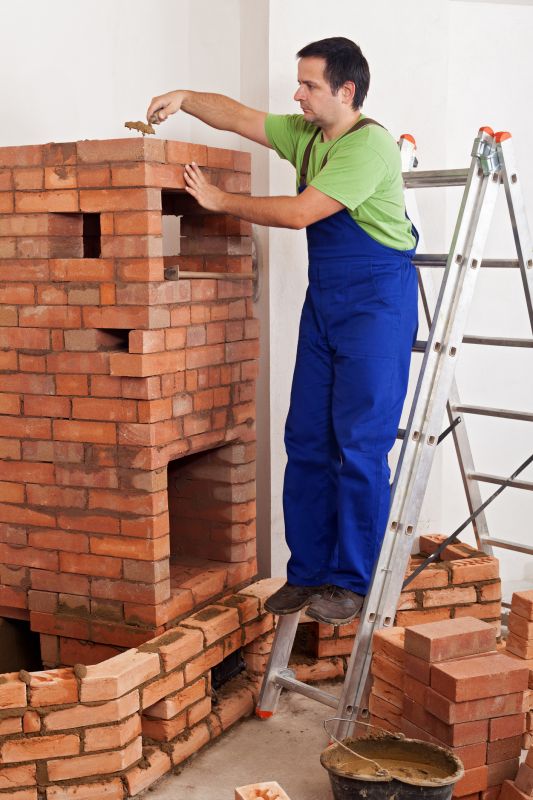
When evaluating masonry installation services, it is important to consider the experience of local contractors with similar projects. An experienced professional will have a history of completing work comparable to what is expected during a professional masonry installation, ensuring familiarity with the specific techniques and materials involved. Asking for references or examples of past work can provide insight into their expertise and help determine if their background aligns with the scope of the project. This background can contribute to a smoother process, as seasoned contractors are more likely to anticipate potential challenges and address them proactively.
Clear, written expectations are essential when comparing local service providers for masonry installation. A reputable contractor should be able to provide detailed descriptions of the work involved, including the steps they will take and the materials they plan to use. Having this information in writing helps prevent misunderstandings and ensures that both parties are aligned on project scope and deliverables. Good communication of expectations also demonstrates professionalism and a commitment to transparency, making it easier to evaluate which service providers are best suited to handle the job.
Reputable references and strong communication are key indicators of reliable masonry installation services. Service providers who can offer positive references from previous clients typically have a track record of satisfied customers and quality work. Additionally, clear and consistent communication throughout the process helps keep the project on track and allows homeowners to ask questions or voice concerns as they arise. Choosing local contractors known for their professionalism and responsiveness can lead to a more confident and informed decision, ultimately resulting in a smoother installation experience.
Property owners often search for what to expect during a professional masonry installation when they are planning practical projects around their homes and businesses. Local pros provide Masonry Installation services for everyday jobs and straightforward project options.
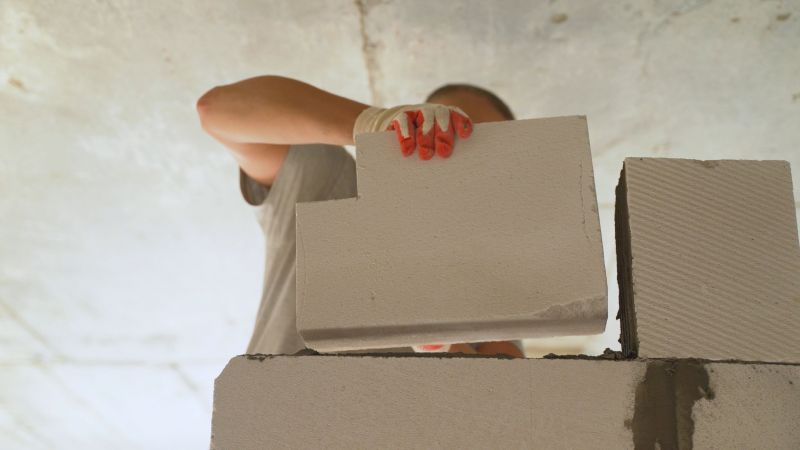
During a professional masonry installation, property owners can generally expect a straightforward process that begins with an assessment of the project area. Local contractors typically evaluate the space, discuss design preferences, and prepare the site to ensure a solid foundation for the work ahead. Once preparations are complete, the installation phase involves carefully laying bricks, stones, or blocks, with attention to detail to achieve both durability and visual appeal. Throughout this process, experienced service providers work efficiently, managing materials and tools to keep the project on track while maintaining safety standards.
Homeowners in the area often seek masonry services for features like patios, retaining walls, or decorative facades, making it helpful to understand what the installation involves. During the project, property owners can expect the crew to communicate about progress and any adjustments needed along the way. Once the masonry work is finished, there may be some minor cleanup, and the final result should enhance the property's appearance and structural integrity. Connecting with local contractors ensures that the work is handled by professionals familiar with regional conditions and best practices.
What steps are involved in a professional masonry installation? During a masonry installation, local contractors typically prepare the site, lay out the design, and carefully set each brick, stone, or block to ensure proper alignment and stability.
What materials do local pros use for masonry projects? Service providers often work with a variety of materials such as brick, natural stone, concrete blocks, and mortar, selecting the best options based on the project’s requirements and aesthetic preferences.
How do professionals ensure the quality of a masonry installation? Local contractors use precise measurement, proper mortar mixing, and consistent techniques to achieve durable and visually appealing results during a masonry project.
What should I expect in terms of the work environment during installation? You can expect local pros to work efficiently around the site, maintaining a clean workspace and taking care to protect surrounding areas while completing the masonry installation.
How is the finished masonry installation typically inspected? Once completed, local service providers review the work for structural integrity, proper alignment, and finish quality, ensuring the project meets professional standards.
Site preparation - Property owners should expect local contractors to clear the work area and set up necessary safety measures before beginning masonry work.
Material selection - Discussing different types of bricks, stones, or blocks helps ensure the chosen materials match the property's style and withstand local conditions.
Installation process - Understanding the typical steps involved allows property owners to plan around the installation, such as coordinating landscaping or outdoor activities.
Finish and cleanup - Professionals usually leave the site tidy, so owners can anticipate a clean work area once the masonry installation is complete.
If you are thinking about what to expect during a professional masonry installation for a property, this guide is meant to help you understand this topic, the typical project types, and how different options might fit your plans.
When you are ready, you can use the quote form on this page to share a few details about your project. From there, local pros can review the basics and follow up with options that match what you have in mind.